
One of the great Catholic novels from the French literary school of the 19th century, written by Léon Bloy, is The Woman Who was Poor. This work, written in the 1890s, has been very influential in all European Catholic writing since then. It is the story of a woman who lives a harshly difficult life. She is extremely poor, brutally treated, exploited by her parents and lives at times in the gutters of Paris. In the novel, the woman, Clotilda, becomes an artist model and meets at times all of the famous French novelists, among them Bloy himself. They are impressed by the depth of her thought, and she ultimately marries one of them. She and her husband are an extremely poor couple who lose their child. Clotilda becomes a widow and is left destitute in Paris. When an artist friend of hers, who also encountered great difficulty in his life, referred to the tragedy that she was enduring, she replied, in the closing words of the novel, “The only real sadness, the only real failure, the only great tragedy in life, is not to become a saint.”
As we look around the world today, with so much confusion, war, unhappiness, prejudice, pride and corruption, we realize that all of these are caused by the tragedy of not becoming a saint. The misery that all of these tragedies cause is most prevalent in the one who chooses not to be a saint but to live solely for oneself and one’s convenience. At the beginning of November, we celebrate the Solemnity of All the Saints and the Commemoration of All the Souls. It is inherent to our faith that we believe we are called to holiness, which is a real relationship with God, and the tragedy of life is to not follow His call.
The Solemnity of All the Saints reminds us that the ultimate goal of life is to be with God for all eternity. We have lived with many people who are saints. These are not the ones formally canonized by the Church but those who have gone before us, such as parents, spouses, friends, children, co-workers and acquaintances, who truly lived their lives for God and for others. Saints are made in this world and not in heaven. If one lives in this world with one’s purpose fixed on God, one avoids the tragedy and unhappiness which life can bring. These women and men are truly reminders to us of what the meaning of life is all about and bring us a great deal of joy, even though they have departed from this world and are in the Communion of Saints in heaven.
The Commemoration of All the Souls reminds us that we do not always desire to be saints and many times do not heed the call. However, God never abandons us. Purgatory reminds us that we all have sins and faults and that we need to face them and the tragedies that they cause in our lives to come to the true joy of life. God’s mercy is overwhelming. It is a mercy in which He became one of us in His Son, Jesus Christ, who gave His life on a cross in order that our sins may be forgiven. It is He, who upon the cross forgave the repentant sinner when he realized what the true tragedy of life would be if the thief did not ask for God’s forgiveness. As we commemorate all the souls, we realize that they are part of the kingdom of God, even though they are not fully within its fullness in heaven. However, they are on the way, and they have realized that the true tragedy in life is not theirs because of their seeking forgiveness.
Recently, on Oct. 21, Pope Leo XIV spoke to the Dicastery for the Causes of Saints on the topic of “Holiness in History.” Here, the pope emphasized the importance of holiness in life, and the call to being a saint given to every person. While he did not say the words, it was obvious that he was emphasizing that the real tragedy in life is not to follow the call of sanctity. He said, “It is necessary to consider how the presence and witness of the saints has transformed history. Enlightened by grace, they were able to hear the calls of their time, uniting faith and history, and devoting their lives to building the new reality of the kingdom of God. The history of the world without the saints would be immensely poorer; in other words, less human.”
As we journey through the month of November, we journey through a month which reminds us of the meaning of life, which culminates in eternal life. We are reminded that the Church is a communion of all the saints and all of the souls who understand that the true tragedy in life is not to be a saint. In the many things before us that cause us unhappiness in this life, let us always fix our attention on God’s presence among us, especially through other people, and heed the call to be a saint. No matter what difficulty we may face, there is truly only one tragedy and that is not to be a saint.
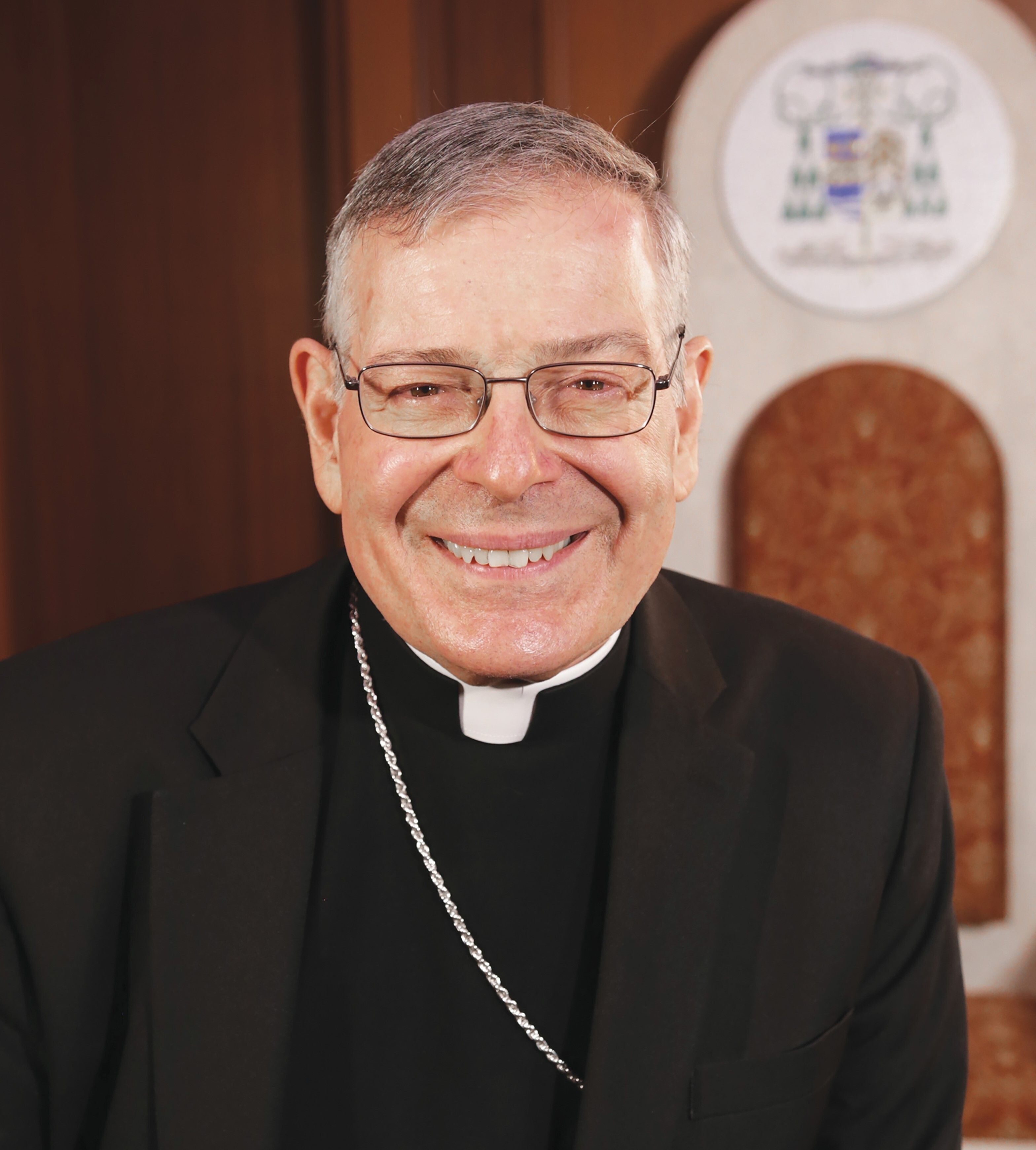
Most Reverend Gerald M. Barbarito
