

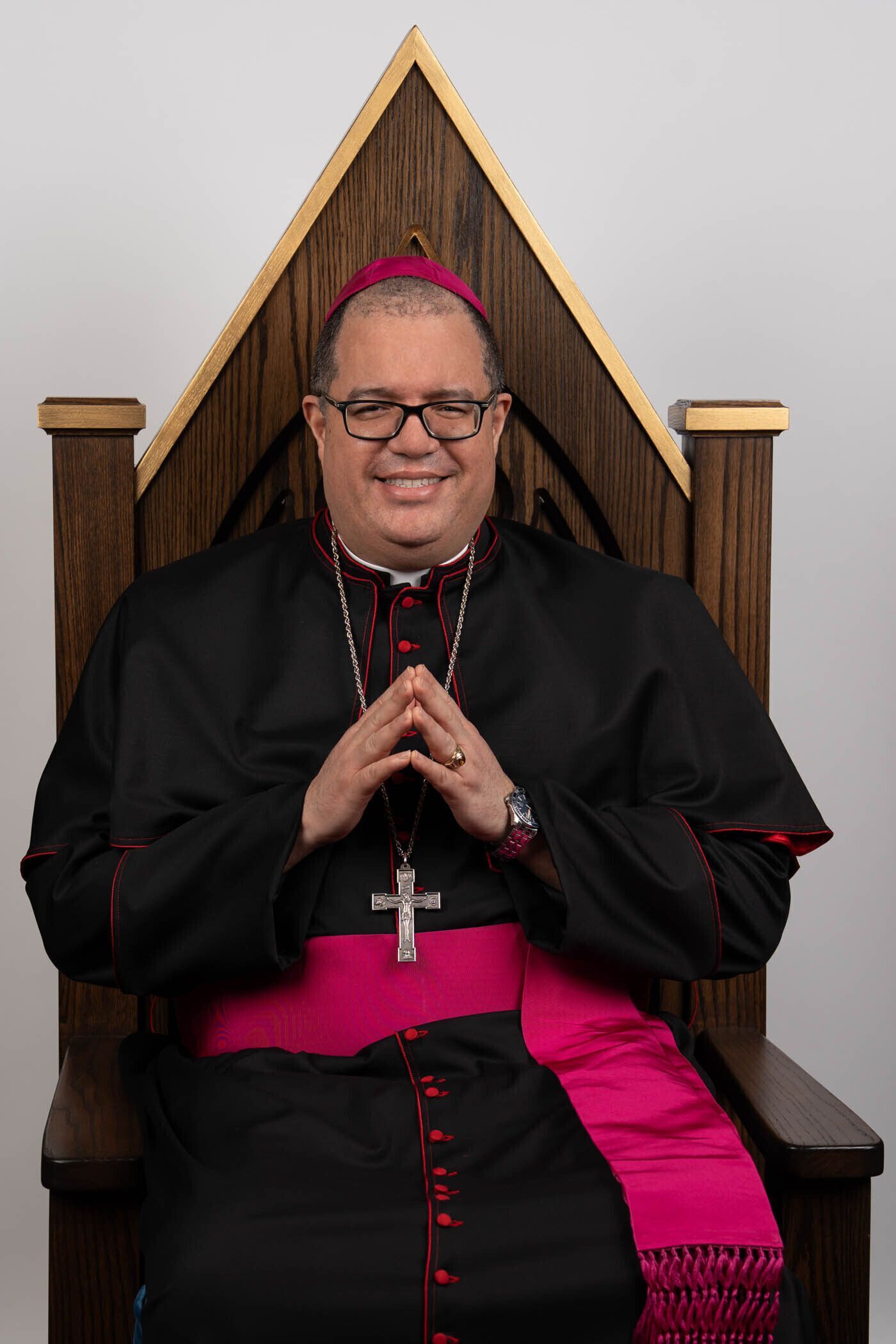
After more than a quarter of a century, I recently returned to Cuba — a land I have long loved and carried in my heart. I went to participate in the installation of a dear friend and brother, Bishop Osmany Massó Cuesta, as the new bishop of Bayamo-Manzanillo. It was, in itself, a moment of grace: a cathedral filled with faith, a Church alive in hope, a people still capable of joy.
But beyond the walls of that sacred celebration, another reality imposed itself with overwhelming force — one that I cannot forget, and one about which I cannot remain silent.
What I encountered was not merely hardship. It was a profound and worsening humanitarian crisis — raw, visible and deeply human. It is etched into the daily lives of an entire people.
In Cuba today, obtaining food is not routine; it is a daily battle. Families rise each morning without any certainty that they will be able to feed their children. The most basic provisions are scarce. Long lines stretch for hours under the sun, often ending in disappointment. Malnutrition is no longer hidden — it is visible in the faces of children, in the frailty of the elderly, in the quiet exhaustion of parents who have nothing left to give.
The situation in health care is equally alarming — if not more so. Hospitals and clinics struggle without the most elementary supplies. Medicines are missing. Treatments are delayed or simply impossible. Illness, which elsewhere might be easily managed, becomes in Cuba a heavy and sometimes unbearable burden. The sick suffer in silence, and too often without adequate care.
Perhaps most striking of all is the atmosphere that pervades the nation: a growing, suffocating sense of despair. One feels it in the streets, in the conversations, in the eyes of the people. It is the weariness of a people who have endured too much for too long. It is the quiet anguish of those who see no clear path forward. It is the erosion of hope.
This is not a distant tragedy. It is not someone else’s crisis.
Here in South Florida — within our own Diocese of Palm Beach — live countless Cuban Americans and Cuban immigrants whose hearts remain inseparably bound to that suffering land. For them, this crisis is not reported; it is lived. It is the trembling voice of a mother on the phone. It is the anxiety for a sick father who cannot obtain medicine. It is the pain of knowing that loved ones are going hungry.
Their suffering echoes here. Their anguish reaches us. Their cry must not go unanswered.
As bishop of Palm Beach, I speak with urgency and with conviction: we cannot remain indifferent. To do so would be a failure not only of charity but of conscience. The proximity of Cuba — so near to us in every sense — places upon us a grave moral responsibility. We are not spectators. We are neighbors. And we are brothers and sisters.
Cuba is crying out.
And we must respond.
I, therefore, call upon all the faithful of our diocese, and upon all people of goodwill, to rise in solidarity with the Cuban people in this critical hour.
Let us pray — intensely, insistently and without ceasing — that God may provide food for the hungry, healing for the sick, strength for the weary and renewed hope for those who feel abandoned. Let us pray for those who labor to bring relief under such difficult conditions. And let us pray, in a particular way, for the leaders of our nation, that they may be moved to act with wisdom, compassion and urgency in offering effective humanitarian assistance.
But let us be clear: prayer must lead to action. Compassion must become commitment. Solidarity must become sacrifice.
The Diocese of Palm Beach is determined to do its part. In close collaboration with the Catholic bishops of Cuba, we will continue to seek every possible avenue to provide concrete assistance — especially in the urgent areas of food and health care. This is not optional work. It is a moral imperative.
I ask you — no, I urge you — to join us. Do not remain on the sidelines. Do not allow distance or routine to dull the call of charity. This is a moment that demands a response worthy of our faith.
Brothers and sisters, Cuba urgently needs us. We must not — we cannot — leave her alone.
As we enter into the sacred days of Holy Week, we contemplate Christ in His suffering. Today, that suffering is visible in the faces of the Cuban people. To stand with them is to stand with Him.
May we not turn away.
Bishop Manuel welcomes comments and reflections from readers: bishopofpalmbeach@diocesepb.org.
Cuba nos Necesita Urgentemente
Después de más de un cuarto de siglo, recientemente regresé a Cuba, una tierra que he amado durante mucho tiempo y que llevo en mi corazón. Fui para participar en la instalación de un querido amigo y hermano, Monseñor Osmany Massó Cuesta, como nuevo obispo de Bayamo-Manzanillo. Fue, en sí mismo, un momento de gracia: una catedral llena de fe, una Iglesia viva en la esperanza, un pueblo que aún es capaz de sentir alegría.
Pero más allá de los muros de esa celebración sagrada, otra realidad se impuso con una fuerza abrumadora — una que no puedo olvidar y sobre la cual no puedo permanecer en silencio.
Lo que encontré no fue simplemente dificultad. Fue una crisis humanitaria profunda y en aumento — cruda, visible y profundamente humana. Está grabada en la vida cotidiana de todo un pueblo.
En la Cuba de hoy, conseguir alimentos no es algo rutinario; es una lucha diaria. Las familias se levantan cada mañana sin ninguna certeza de que podrán alimentar a sus hijos. Los productos más básicos escasean. Largas filas se extienden durante horas bajo el sol, a menudo terminando en decepción. La desnutrición ya no está oculta: es visible en los rostros de los niños, en la fragilidad de los ancianos, en el agotamiento silencioso de los padres que ya no tienen nada más que dar.
La situación en el sistema de salud es igualmente alarmante — si no más. Los hospitales y clínicas luchan sin los suministros más elementales. Faltan medicamentos. Los tratamientos se retrasan o simplemente son imposibles. Enfermedades que en otros lugares podrían manejarse fácilmente, en Cuba se convierten en una carga pesada y, en ocasiones, insoportable. Los enfermos sufren en silencio y, con demasiada frecuencia, sin la atención adecuada.
Quizás lo más impactante de todo es el ambiente que impregna la nación: una creciente y asfixiante sensación de desesperanza. Se percibe en las calles, en las conversaciones, en la mirada de la gente. Es el cansancio de un pueblo que ha soportado demasiado durante demasiado tiempo. Es la angustia silenciosa de quienes no ven un camino claro hacia adelante. Es la erosión de la esperanza.
Esto no es una tragedia lejana. No es la crisis de otros.
Aquí en el sur de la Florida — dentro de nuestra propia Diócesis de Palm Beach — viven innumerables cubanoamericanos e inmigrantes cubanos cuyos corazones permanecen inseparablemente unidos a esa tierra sufriente. Para ellos, esta crisis no se reporta; se vive. Es la voz temblorosa de una madre al teléfono. Es la angustia por un padre enfermo que no puede obtener medicamentos. Es el dolor de saber que los seres queridos están pasando hambre.
Su sufrimiento resuena aquí. Su angustia nos alcanza. Su clamor no debe quedar sin respuesta.
Como obispo de Palm Beach, hablo con urgencia y con convicción: no podemos permanecer indiferentes. Hacerlo sería una falta no solo de caridad, sino también de conciencia. La cercanía de Cuba — tan próxima a nosotros en todo sentido — nos impone una grave responsabilidad moral. No somos espectadores. Somos vecinos. Y somos hermanos y hermanas.
Cuba está clamando.
Y nosotros debemos responder.
Por lo tanto, hago un llamado a todos los fieles de nuestra diócesis y a todas las personas de buena voluntad, para que se unan en solidaridad con el pueblo cubano en este momento crítico.
Oremos — intensamente, insistentemente y sin cesar — para que Dios provea alimento a los hambrientos, sanación a los enfermos, fuerza a los fatigados y esperanza renovada a quienes se sienten abandonados. Oremos por aquellos que trabajan para brindar alivio en condiciones tan difíciles. Y oremos, de manera particular, por los líderes de nuestra nación, para que sean movidos a actuar con sabiduría, compasión y urgencia al ofrecer asistencia humanitaria efectiva.
Pero seamos claros: la oración debe conducir a la acción. La compasión debe convertirse en compromiso. La solidaridad debe convertirse en sacrificio.
La Diócesis de Palm Beach está decidida a cumplir con su parte. En estrecha colaboración con los obispos católicos de Cuba, continuaremos buscando todas las vías posibles para brindar asistencia concreta — especialmente en las áreas urgentes de alimentación y atención médica. Este trabajo no es opcional. Es un imperativo moral.
Les pido — no, les insto — que se unan a nosotros. No permanezcan al margen. No permitan que la distancia o la rutina adormezcan el llamado de la caridad. Este es un momento que exige una respuesta digna de nuestra fe.
Hermanos y hermanas, Cuba nos necesita urgentemente. No debemos — no podemos — dejarla sola.
Al entrar en los días sagrados de la Semana Santa, contemplamos a Cristo en su sufrimiento. Hoy, ese sufrimiento es visible en los rostros del pueblo cubano. Estar junto a ellos es estar junto a Él.
Monseñor Manuel invita a los lectores a enviar sus comentarios y reflexiones: bishopofpalmbeach@diocesepb.org.
